In today’s fast-evolving communication landscape, businesses are rapidly shifting toward IP-based telephony. However, many organizations still rely on traditional analog devices such as desk phones, fax machines, and legacy PBX systems. This is where an Analog VoIP Gateway plays a crucial role.
An Analog VoIP Gateway allows businesses to connect traditional analog telephony equipment to modern VoIP networks. Instead of replacing existing infrastructure, companies can integrate it with IP systems — saving cost while upgrading communication capabilities.
What Is an Analog VoIP Gateway?
An Analog VoIP Gateway is a device that converts analog voice signals into digital packets for transmission over an IP network, and vice versa. It acts as a bridge between legacy telephony systems and SIP-based communication platforms.
In simple terms, it enables analog phones and PBX systems to work seamlessly with VoIP networks.
How Does an Analog VoIP Gateway Work?
The working principle of an Analog VoIP Gateway is straightforward:
- An analog voice signal is generated from a traditional phone.
- The gateway converts this analog signal into digital data packets.
- These packets are transmitted over an IP network using SIP protocol.
- On the receiving end, the process reverses — converting digital packets back into voice.
This conversion process allows businesses to maintain analog endpoints while benefiting from VoIP infrastructure.
Key Components of an Analog VoIP Gateway
Most Analog VoIP Gateways include:
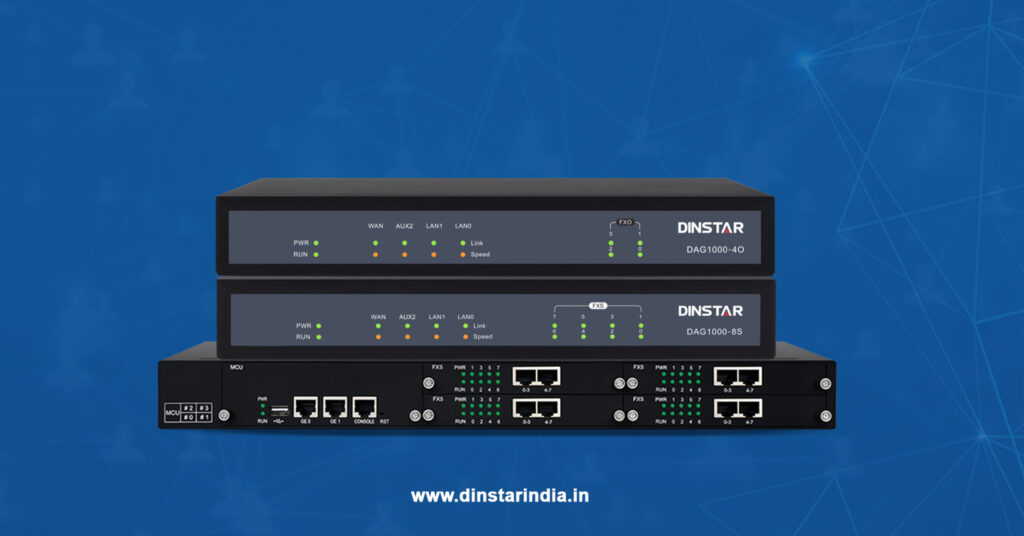
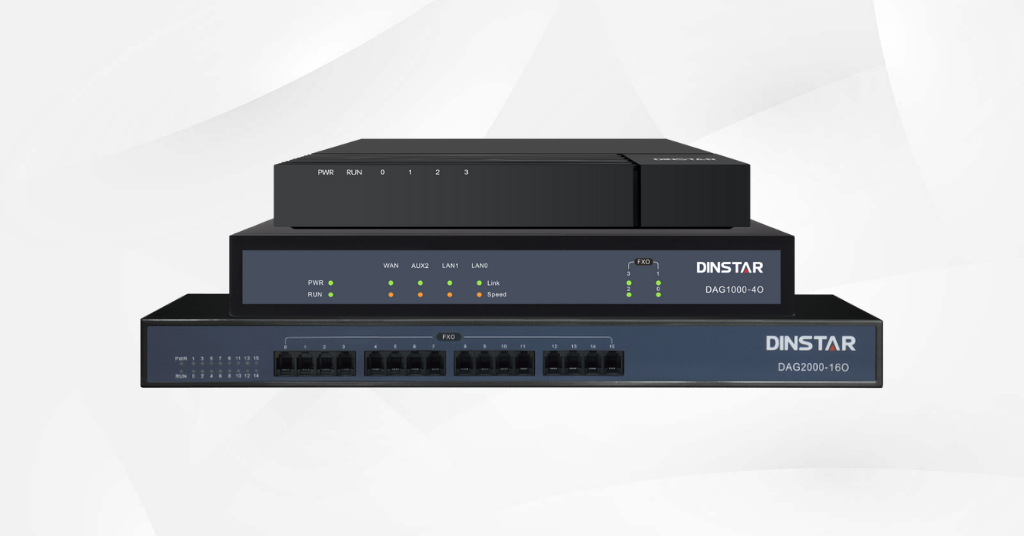
- FXS Ports – Used to connect analog phones or fax machines
- FXO Ports – Used to connect PSTN lines
- SIP Support – Ensures compatibility with IP PBX systems
- Codec Support – Maintains voice quality during transmission
- Web-Based Management Interface – Simplifies configuration
These components ensure smooth communication between analog and digital environments.
Benefits of Using an Analog VoIP Gateway
1. Cost-Effective Migration to VoIP
Businesses can upgrade to VoIP without replacing existing analog devices, significantly reducing capital expenditure.
2. Seamless Legacy Integration
An Analog VoIP Gateway allows older PBX systems and telephones to remain operational within a modern IP network.
3. Scalability
Additional ports can be deployed as the business grows, making the solution flexible and future-ready.
4. Improved Call Management
With SIP-based routing and call control, businesses gain better handling of inbound and outbound calls.
5. Support for Hybrid Communication Systems
Companies can operate both analog and IP telephony systems simultaneously.
Analog VoIP Gateway vs Digital VoIP Gateway
While both devices connect traditional telephony to IP networks, they serve different purposes:
- Analog VoIP Gateway connects analog devices such as standard telephones and fax machines.
- Digital VoIP Gateway connects digital trunks like E1/T1 lines.
For businesses using traditional analog endpoints, an Analog VoIP Gateway is the right solution.
Common Use Cases of Analog VoIP Gateway
An Analog VoIP Gateway is widely used in:
- Small and medium businesses transitioning to VoIP
- Call centers operating hybrid telephony systems
- Hotels and hospitals with legacy analog phones
- Enterprises integrating old PBX systems with SIP servers
- Multi-branch offices requiring centralized IP communication
How to Choose the Right Analog VoIP Gateway
When selecting an Analog VoIP Gateway, consider:
- Number of FXS or FXO ports required
- SIP compatibility with your IP PBX
- Codec support for call quality
- Security features like encryption and firewall compatibility
- Ease of management and configuration
Choosing the right gateway ensures reliable performance and long-term scalability.
Why Analog VoIP Gateways Still Matter in 2026
Despite rapid cloud adoption, many businesses continue using analog infrastructure. Replacing entire telephony systems can be expensive and operationally disruptive.
An Analog VoIP Gateway provides a practical bridge — enabling digital transformation without eliminating functional analog assets.
For businesses looking to modernize communication while maintaining cost control, Analog VoIP Gateways remain an essential component of VoIP infrastructure.
Conclusion
An Analog VoIP Gateway is a powerful solution that connects legacy telephony systems to modern IP networks. It enables cost-effective VoIP migration, supports hybrid communication environments, and enhances operational flexibility.
Whether you are upgrading a small office setup or managing a multi-location enterprise, deploying an Analog VoIP Gateway ensures seamless integration between traditional and IP-based communication systems.