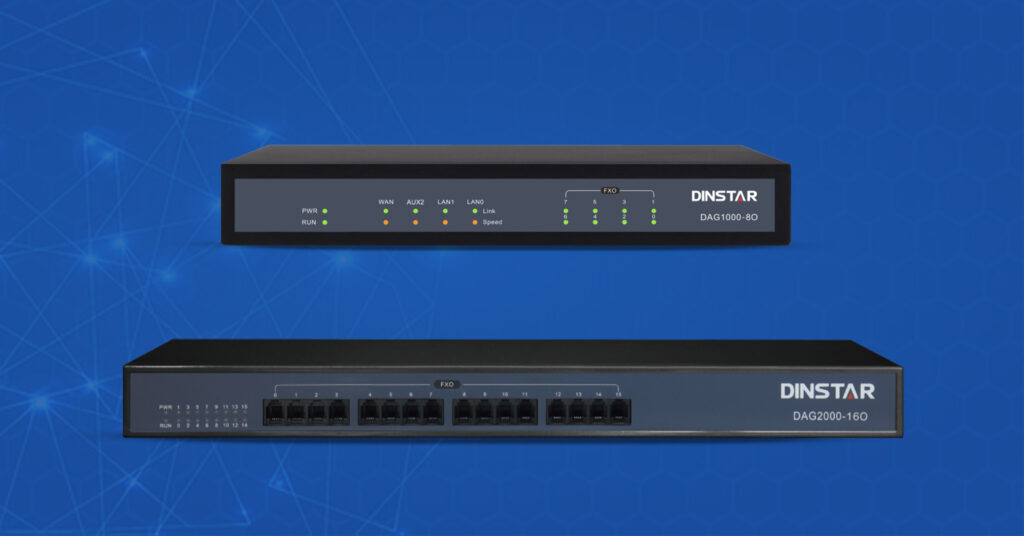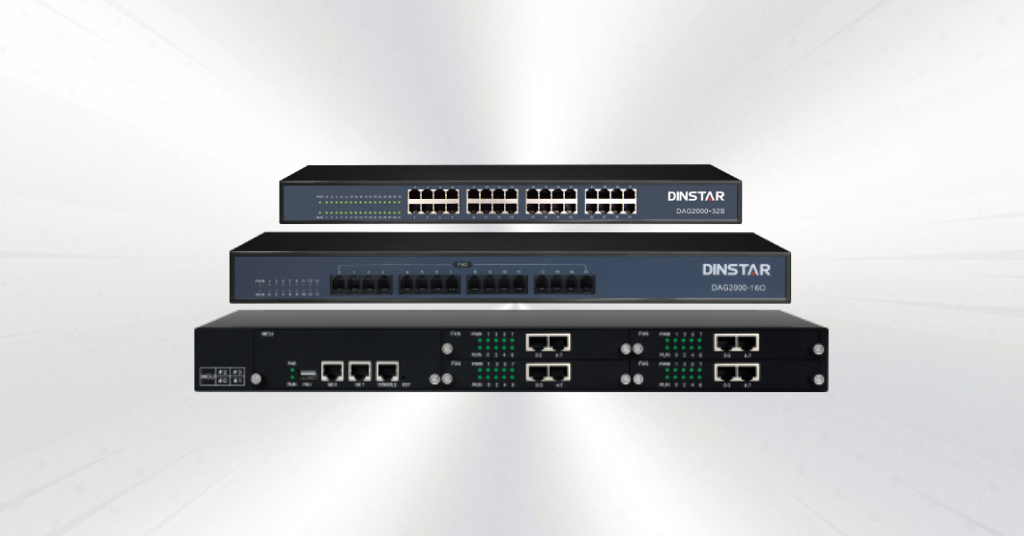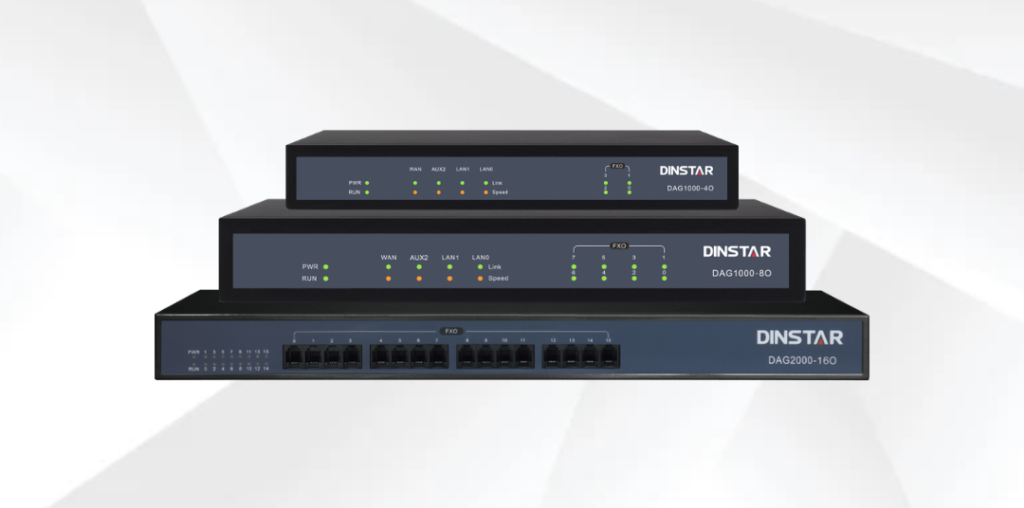
Selecting the right FXO Gateway is not just about features—it’s about choosing the correct port configuration that matches your business communication load. Whether you need a compact setup or a high-capacity solution, understanding the difference between 4, 8, and 16 port gateways can help you make a smarter investment.
Dinstar simplifies this decision by offering dedicated solutions for each requirement, ensuring businesses get exactly what they need without overpaying or underperforming.
Right FXO Gateway for Your Business
FXO gateway are designed to connect PSTN lines with VoIP systems, and each port represents one active line. Dinstar’s gateway range includes 4, 8, and 16 port options, allowing businesses to choose based on call volume and scalability needs.
This structured approach makes it easier to align your communication system with real-world usage.
4 Port FXO Gateway: Best for Small Setups
If your business handles a limited number of calls, a 4 Port FXO Gateway is a practical starting point.
A 4-port solution is ideal for startups, small offices, or remote teams. It connects up to four PSTN lines and supports SIP-based communication systems, ensuring smooth integration with IP PBX platforms.
When to choose:
- Small teams with low call traffic
- Basic PSTN to VoIP connectivity
- Budget-friendly deployment
This is where a Dinstar FXO Gateway stands out by offering reliable performance even in compact deployments.
8 Port FXO Gateway: Perfect for Growing Businesses
As your business expands, communication needs increase. An 8 Port FXO Gateway offers the right balance between capacity and cost.
With 8 FXO ports, businesses can handle multiple simultaneous calls while maintaining high voice quality and system stability. These gateways are widely used in SMEs, call centers, and branch offices.
When to choose:
- Medium-sized teams
- Moderate call traffic
- Multi-department communication
Businesses looking for the best FXO Gateway often prefer this range because it provides flexibility without overinvestment.
16 Port FXO Gateway: Built for High Call Volume
For enterprises or organizations with heavy communication needs, a 16 Port FXO Gateway is the ideal solution.
This setup supports large-scale communication by connecting multiple PSTN lines and ensuring uninterrupted call flow. It is commonly used in enterprises, large offices, and multi-branch setups.
When to choose:
- High call volume environments
- Call centers and enterprises
- Multi-location businesses
Dinstar’s high-capacity gateways are designed to deliver stability and seamless connectivity even under heavy usage.
How to Choose the Right One
To make the right decision, consider these factors:
- Current call volume: Match ports with active lines
- Future growth: Always keep room for expansion
- System compatibility: Ensure smooth IP PBX integration
- Budget vs value: Focus on long-term efficiency
Choosing the right configuration helps avoid both congestion and unnecessary costs.
Conclusion
When it comes to selecting an FXO gateway, the number of ports plays a defining role in performance and scalability. Whether you choose 4, 8, or 16 ports, aligning your selection with your communication needs ensures better efficiency and reliability.
Dinstar continues to deliver value by offering a complete range of FXO gateways tailored to different business sizes. From small offices to large enterprises, Dinstar provides scalable, high-performance solutions that bridge traditional telephony with modern VoIP systems—making business communication smoother, smarter, and future-ready.