
Small and medium businesses (SMBs) are constantly looking for communication solutions that are cost-effective, flexible, and easy to manage. Traditional phone systems often come with high maintenance costs and limited scalability, which can slow down growing organizations. This is where VoIP (Voice over Internet Protocol) emerges as a modern alternative. But is it truly suitable for small and medium businesses?
Let’s explore this in detail.
Understanding VoIP in Simple Terms
VoIP is a communication technology that allows voice calls to be made over the internet instead of traditional telephone lines. By converting voice signals into digital data, it enables businesses to make and receive calls using IP networks. For SMBs, this means communication is no longer tied to expensive hardware or fixed locations, making it easier to operate in today’s hybrid and remote-friendly work environments.
Cost Efficiency for Growing Businesses
One of the biggest reasons SMBs consider VoIP is cost savings. Traditional phone systems involve installation charges, line rentals, and long-distance calling fees. VoIP significantly reduces these expenses by using existing internet connections. Many service providers also offer flexible pricing models, allowing businesses to pay only for the features and users they need. This makes it an attractive option for companies managing tight budgets while planning for growth.
Scalability and Flexibility
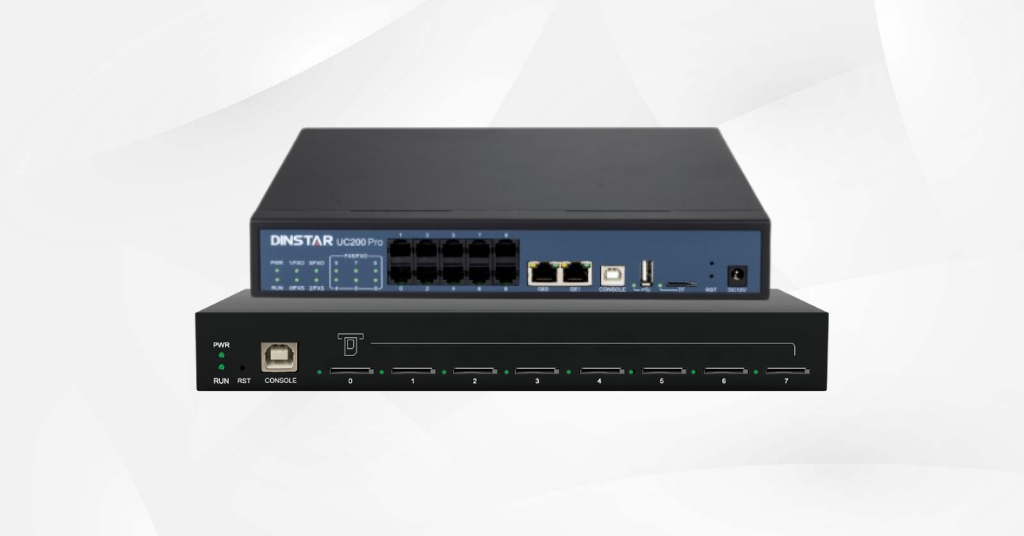
As businesses expand, their communication needs change. Adding new users or locations to a traditional system can be complex and costly. VoIP Gateway, on the other hand, is highly scalable. New extensions can be added quickly without major infrastructure changes. This flexibility is especially beneficial for small and medium businesses that expect gradual growth or seasonal fluctuations in staff size.
Advanced Features Without Complexity
Modern VoIP systems come with features that were once available only to large enterprises. These include call forwarding, voicemail-to-email, auto-attendants, call analytics, and integration with CRM tools. For SMBs, these features improve customer handling and internal collaboration without adding operational complexity. Importantly, most VoIP platforms are designed with user-friendly interfaces, making them easy to manage even without a dedicated IT team.
Reliability and Call Quality Considerations
A common concern among businesses is call quality and reliability. With a stable internet connection, VoIP delivers clear and consistent voice quality. Additionally, many providers offer redundancy options such as call failover to mobile devices or alternate networks. This ensures that communication remains uninterrupted, which is crucial for customer-facing operations.
Security and Compliance
Security is another key factor for SMBs. VoIP systems today include encryption, secure authentication, and regular software updates to protect against threats. When properly configured, VoIP can be just as secure as traditional telephony. Businesses operating in regulated industries should choose providers that support compliance requirements and data protection standards.
Is VoIP the Right Choice for SMBs?
For most small and medium businesses, VoIP offers a strong balance of affordability, functionality, and scalability. It supports modern workstyles, reduces communication costs, and provides advanced features that enhance productivity. While a reliable internet connection is essential, the overall benefits make VoIP a practical and future-ready solution for SMB communication needs.

